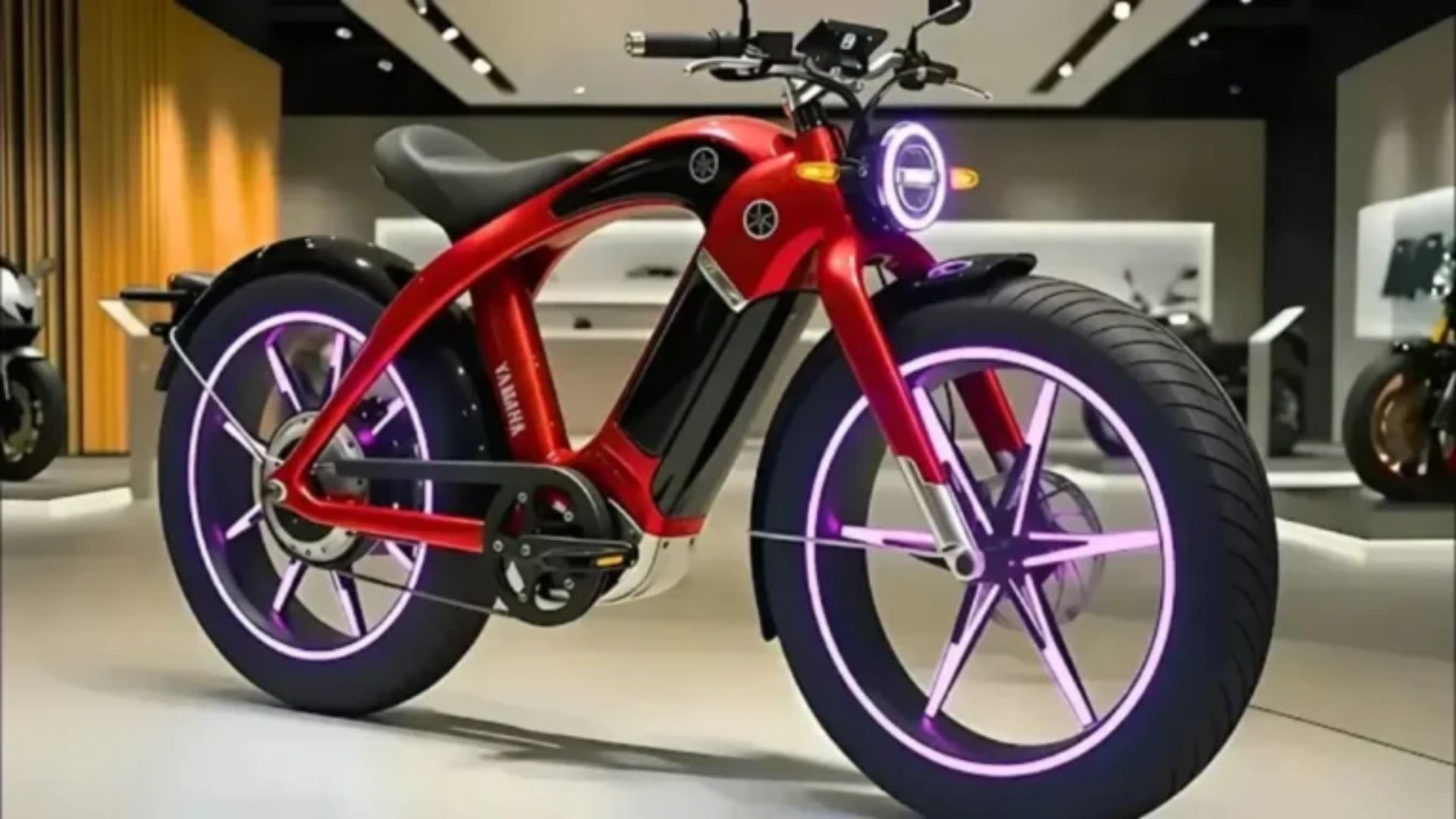
Imagine gliding through traffic with zero emissions, pedal-assist power, and modern tech—all wrapped in Yamaha’s trusted reliability. The 2026 Yamaha Electric Cycle (often called an e-bike or electric bicycle) blends fun cycling with electric assistance. It’s perfect for daily commutes, weekend adventures, or fitness rides without breaking a sweat.
This model stands out with its sleek frame, powerful motor, and long-lasting battery. Whether you’re a casual rider or hobbyist biker, it promises an exciting, eco-friendly ride.
A Quick Look at Its Background
Yamaha has a long history in two-wheelers, from motorcycles to power-assisted bicycles. Building on their popular YDX series and global e-bike lineup, the 2026 version incorporates feedback from riders worldwide. It evolves earlier models with better batteries, smarter controls, and improved comfort for everyday use.
Why It’s Important Today
Rising fuel costs, urban congestion, and a push for greener transport make electric cycles hot right now. The 2026 Yamaha Electric Cycle offers an affordable, low-maintenance alternative to gas bikes or cars. It helps reduce your carbon footprint while keeping the joy of riding alive.
Key Features and Specs
- Motor: Mid-drive or hub motor (around 350W–powerful enough for smooth hills).
- Battery: Removable lithium-ion pack with fast-charging tech.
- Display: Digital LCD showing speed, battery life, and ride modes.
- Design: Lightweight frame, comfortable ergonomics, and stylish looks.
- Extras: Multiple assist levels, LED lights, and durable tires for city and light trails.
Range, Performance, and Real-World Use
Riders can expect up to 120–150 km per charge, depending on mode, terrain, and rider weight. Eco mode stretches it further for long commutes, while Sport mode delivers quick acceleration. Fast charging gets you to 80% in about an hour—ideal for busy lifestyles.
Many users report it feels responsive and fun, blending pedal power with electric boost seamlessly.
Pros and Cons Comparison Table
| Aspect | Pros | Cons |
|---|---|---|
| Range | 120–150 km claimed | Real-world may vary with load |
| Price | Affordable entry | Varies by region |
| Features | Smart modes, fast charge | May need occasional maintenance |
| Weight | Lightweight frame | Battery adds some heft |
| Eco Impact | Zero emissions | Charging depends on electricity |
Price Expectations
Expected pricing starts around $800–$2,500 USD (or roughly ₹1 lakh in markets like India), making it accessible for hobbyists. Premium variants with extra features could cost more. Check local dealers for exact 2026 pricing and offers.
How Readers Can Engage and Benefit
Start with short rides to get comfortable with assist levels. Use it for commuting to save money on fuel and parking. Join local e-bike groups for tips and group rides. Maintenance is simple—keep the battery charged and tires inflated for years of enjoyment.
Expert Tips
- Choose pedal-assist mode wisely to maximize range.
- Test ride before buying to match your height and style.
- Invest in a good lock and consider insurance for peace of mind.
- Regular software updates (if available) can enhance performance.
Frequently Asked Questions (FAQs)
Q: What is the top speed of the 2026 Yamaha Electric Cycle?
A: It typically assists up to 25–32 km/h, depending on local regulations—perfect for safe urban riding.
Q: How long does the battery last?
A: With proper care, expect 3–5 years or hundreds of charges.
Q: Is it suitable for beginners?
A: Yes! The assist makes pedaling effortless for new riders.
Q: Where can I buy one?
A: Authorized Yamaha dealers or online platforms once officially launched.
Conclusion
The 2026 Yamaha Electric Cycle brings together impressive range, practical features, and an attractive price that could make it a game-changer for bike lovers. It’s eco-friendly, fun, and ready for daily adventures. If you’re thinking about going electric, this is worth watching closely. Share this post with fellow riders, drop your questions in the comments, and explore more about electric bikes on our site. Ready to ride into a greener future?